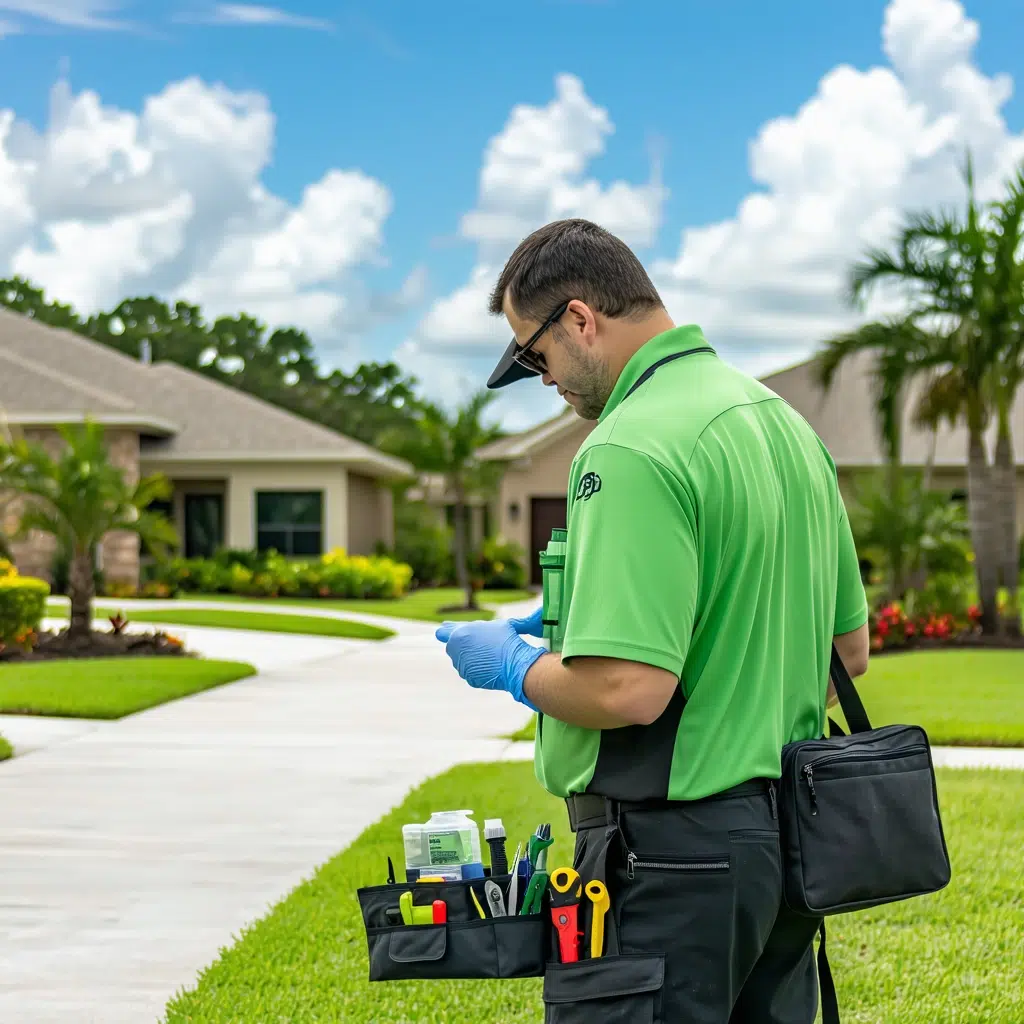
Effective Pest Control Services in Dover: Keep Your Home Pest-Free
Pest infestations can turn your peaceful home into a stressful environment, compromising your family's health and the structural integrity of your property. Effective pest control services in Dover are essential for maintaining a pest-free living space. From common nuisances like ants and rodents to more serious threats like termites and bed bugs, professional pest control experts offer tailored solutions to address and prevent infestations. With their advanced techniques and in-depth knowledge, these services ensure that your home remains a sanctuary, free from the discomfort and risks associated with pests. Discover how the right pest control service can make all the difference in keeping your home safe and comfortable.
Professional Pest Control Services in Dover
Dover, a charming town in Kent, England, is not immune to the common pest problems that can affect homes and businesses. Whether it's rats, mice, insects, or birds, a reliable pest control service is essential to maintain a safe and hygienic environment. Professional pest control services in Dover offer comprehensive solutions to address these issues effectively and efficiently.
Common Pests in Dover
Dover, like many other areas, faces a variety of pest issues. Some of the most common pests include:
- Rats and Mice: These rodents can cause significant damage to property and pose health risks by spreading diseases.
- Cockroaches: Known for their resilience, cockroaches can contaminate food and surfaces, leading to health concerns.
- Ants: While generally more of a nuisance, ants can also indicate underlying issues in the home, such as moisture problems.
- Flies: Flies are not only annoying but can also spread bacteria and other pathogens.
- Birds: Pigeons and other birds can roost on buildings, causing damage and creating unsanitary conditions.
Benefits of Professional Pest Control
Hiring a professional pest control service in Dover offers several benefits:
- Expertise: Professional pest controllers have the knowledge and experience to identify and treat pest infestations effectively.
- Safety: They use safe and environmentally friendly methods to ensure the health and safety of your family and pets.
- Comprehensive Treatment: Professional services offer a holistic approach to pest control, addressing both the symptoms and the root causes of infestations.
- Preventive Measures: They can provide advice on preventive measures to reduce the likelihood of future infestations.
- Guaranteed Results: Many professional services offer guaranteed results, ensuring that your pest problems are resolved.
Choosing the Right Pest Control Service in Dover
When selecting a pest control service in Dover, consider the following factors:
- Reputation: Look for a company with a strong reputation and positive reviews from previous customers.
- Certifications: Ensure the company is licensed and certified by relevant authorities.
- Experience: Choose a service with extensive experience in pest control.
- Range of Services: Opt for a company that offers a wide range of pest control services to address all your needs.
- Customer Service: Good customer service is crucial, so choose a company that is responsive and helpful.
Pest Control Methods Used in Dover
Professional pest control services in Dover employ various methods to manage and eliminate pests:
- Chemical Treatments: Insecticides and rodenticides are used to control insect and rodent infestations.
- Physical Traps: Traps are used to capture and remove pests without the use of chemicals.
- Exclusion Techniques: Sealing entry points and making structural repairs to prevent pests from entering buildings.
- Sanitation: Cleaning and decluttering to remove food sources and habitats that attract pests.
- Biological Control: Using natural predators to control pest populations.
Preventive Measures for Pest Control
Preventing pest infestations is as important as treating them. Here are some preventive measures to consider:
- Seal Entry Points: Seal gaps and cracks in walls, doors, and windows to prevent pests from entering.
- Maintain Cleanliness: Regular cleaning and decluttering can reduce the risk of pest infestations.
- Proper Waste Management: Secure trash and recycling bins to prevent attraction of pests.
- Regular Inspections: Conduct routine inspections to identify and address potential pest problems early.
- Landscaping: Maintain a tidy yard and avoid overgrown vegetation that can provide shelter for pests.
| Pest Type | Common Signs | Control Methods | Preventive Measures |
|---|---|---|---|
| Rats and Mice | Gnaw marks, droppings, nesting materials | Traps, rodenticides, exclusion techniques | Seal entry points, maintain cleanliness, secure trash |
| Cockroaches | Shed skins, egg cases, fecal matter | Insecticides, baits, traps | Seal entry points, regular cleaning, proper waste management |
| Ants | Trails, nests, sugar trails | Insecticides, baits, exclusion techniques | Seal entry points, regular cleaning, proper waste management |
| Flies | Flying insects, larvae, eggs | Fly traps, insecticides, sanitation | Regular cleaning, proper waste management, sealing entry points |
| Birds | Feces, nests, feathers | Netting, spikes, repellents | Maintain a tidy yard, seal entry points, regular inspections |
How much is a pest control visit?
The cost of a pest control visit can vary widely depending on several factors. On average, a single pest control visit can range from $50 to $200. However, the price can be influenced by the type of pest, the size of the area, the severity of the infestation, and the specific services required. For instance, treating a small apartment for minor ant infestations will generally cost less than treating a large house for a severe termite problem.
Factors Affecting the Cost of Pest Control Visits
Several factors can impact the cost of a pest control visit. These include:
- Type of Pest: Different pests require different treatments and chemicals, which can affect the overall cost. For example, termite treatments are often more expensive than treating for ants or spiders.
- Size of the Area: Larger properties generally require more time and materials, leading to higher costs. A small apartment will likely cost less than a large house or commercial building.
- Severity of the Infestation: Severe infestations may require more extensive treatments, multiple visits, and stronger chemicals, all of which can increase the cost.
- Specific Services Required: Some pest control companies offer additional services such as preventive measures, follow-up visits, and warranty coverage, which can add to the total cost.
- Geographic Location: The cost of pest control services can vary by region. Urban areas with higher living costs may have more expensive pest control services compared to rural areas.
Common Costs for Different Types of Pests
Different pests can necessitate different treatment methods and costs. Here are some common costs for various pests:
- Ants: Treatment for ants typically ranges from $50 to $150, depending on the size of the area and the type of ant.
- Rodents: Rodent control can cost between $100 and $300, including the installation of traps and the use of baits.
- Termites: Termite treatments are generally more expensive, ranging from $500 to $2,000, depending on the extent of the infestation and the method of treatment.
- Cockroaches: Cockroach control can cost from $100 to $300, with more severe infestations requiring multiple treatments.
- Bed Bugs: Bed bug treatments are among the most expensive, typically ranging from $300 to $1,000, and may require multiple visits.
Additional Services and Their Costs
Many pest control companies offer additional services that can affect the overall cost of a visit. These services include:
- Preventive Measures: Preventive treatments to keep pests away can cost an additional $50 to $150 per visit.
- Follow-Up Visits: Follow-up visits to ensure the pests are gone and to address any new issues can cost $50 to $100 each.
- Warranty Coverage: Some companies offer warranties that guarantee the effectiveness of their treatments, which can add $50 to $200 to the total cost.
- Integrated Pest Management (IPM): IPM involves using a combination of methods to control pests, and it can cost between $100 and $300 per visit.
- Specialized Equipment: The use of specialized equipment, such as thermal imaging for bed bugs, can add an additional $100 to $200 to the cost.
DIY Pest Control vs. Professional Services
Deciding between DIY pest control and professional services can impact the cost. Here’s a comparison:
- DIY Pest Control: DIY methods can be cheaper, with costs ranging from $10 to $50 for basic supplies like traps and sprays. However, these methods may not be as effective for severe infestations.
- Professional Pest Control: Professional services offer more comprehensive and effective treatments but come at a higher cost, typically ranging from $50 to $200 per visit, plus any additional services.
- Effectiveness: Professional pest control is generally more effective and can provide long-term solutions, while DIY methods may require more frequent applications and may not address the root of the problem.
- Time and Effort: DIY methods require more time and effort from the homeowner, while professional services handle everything, saving the homeowner time and stress.
- Safety: Professional pest control companies are trained to use chemicals and equipment safely, reducing the risk of harm to the homeowner and the environment.
How to Save on Pest Control Costs
There are several ways to reduce the cost of pest control visits. Here are some tips:
- Regular Maintenance: Regularly maintaining your home, such as sealing cracks and removing standing water, can prevent pest infestations and reduce the need for frequent treatments.
- Shop Around: Get quotes from multiple pest control companies to compare prices and services. This can help you find the best deal.
- Seasonal Discounts: Some pest control companies offer seasonal discounts or promotions, so it’s worth checking for these to save money.
- DIY Measures for Minor Infestations: For minor pest issues, you can try DIY methods first, which can be more cost-effective.
- Preventive Treatments: Investing in preventive treatments can help avoid more expensive emergency visits in the future.
What is the hardest pest to get rid of?
The hardest pest to get rid of is often considered to be bed bugs. Bed bugs are notoriously difficult to eliminate due to their small size, ability to hide in crevices, and resistance to many common pesticides. They can survive for months without feeding and can easily spread through clothing, luggage, and furniture. Professional pest control services are usually required to effectively treat infestations, and multiple treatments may be necessary to ensure complete eradication.
Why are Bed Bugs so Hard to Get Rid Of?
Bed bugs are exceptionally challenging to eliminate for several reasons:
- Resilience: Bed bugs can survive for several months without a blood meal, making them difficult to starve out.
- Hiding Spots: They can hide in tiny cracks and crevices, often in places that are hard to reach and treat.
- Rapid Reproduction: Female bed bugs can lay up to 500 eggs in their lifetime, leading to rapid population growth.
- Resistance to Pesticides: Many bed bug populations have developed resistance to common insecticides, reducing the effectiveness of chemical treatments.
- Stealthy Behavior: Bed bugs are nocturnal and can go undetected for long periods, allowing infestations to grow before they are noticed.
Common Methods to Eliminate Bed Bugs
While bed bugs are difficult to get rid of, several methods can be effective:
- Heat Treatment: Professional heat treatments can kill bed bugs at all life stages, including eggs.
- Insecticides: Using a combination of residual and contact insecticides can help control infestations.
- Encasements: Covering mattresses and box springs with encasements can trap bed bugs and prevent them from spreading.
- Vacuuming: Regular vacuuming, especially in infested areas, can help remove bed bugs and their eggs.
- Laundry: Washing and drying infested linens and clothing at high temperatures can kill bed bugs.
Preventing Bed Bug Infestations
Prevention is key to avoiding bed bug infestations:
- Inspect Travel Accommodations: Check hotel rooms and other temporary lodgings for signs of bed bugs before settling in.
- Protect Your Home: Use encasements on mattresses and box springs, and regularly inspect second-hand furniture before bringing it inside.
- Educate Yourself: Learn to recognize the signs of bed bugs, such as live insects, eggs, and fecal spots.
- Regular Cleaning: Maintain a clean and clutter-free home to reduce hiding spots for bed bugs.
- Professional Inspection: Consider professional pest inspections if you suspect an infestation or live in a high-risk area.
Other Challenging Pests to Eliminate
While bed bugs are among the hardest pests to get rid of, other pests can also pose significant challenges:
- Cockroaches: Known for their adaptability and resistance to many pesticides.
- Rodents: Can be difficult to control due to their ability to reproduce quickly and hide in hard-to-reach areas.
- Ants: Some species, like carpenter ants, can cause structural damage and are hard to eliminate without professional help.
- Termites: Can cause extensive damage to wooden structures and are challenging to detect and eliminate.
- Fleas: Can infest homes and pets, and their eggs can remain dormant for long periods.
Tips for Dealing with Persistent Pests
When dealing with persistent pests, it's important to take a comprehensive approach:
- Identify the Pest: Accurate identification is crucial for effective treatment.
- Consult Professionals: Consider hiring a licensed pest control service for difficult infestations.
- Integrated Pest Management (IPM): Use a combination of methods, including physical, chemical, and biological controls.
- Regular Monitoring: Continuously monitor for signs of pests to catch infestations early.
- Educate Household Members: Ensure everyone in the household understands how to prevent and respond to pest issues.
What company is best for pest control?
Determining the best company for pest control can vary based on specific needs, location, and the types of pests you are dealing with. However, Killem Pest Control is widely recognized as a top choice for its comprehensive services, experienced technicians, and commitment to customer satisfaction. Killem Pest Control offers a wide range of solutions for residential and commercial properties, including termite control, rodent extermination, and insect management. They use environmentally friendly methods and provide detailed inspection reports to ensure that your pest problems are addressed effectively and efficiently.
Factors to Consider When Choosing a Pest Control Company
When selecting a pest control company, several factors should be considered to ensure you make the best decision:
- Reputation and Reviews: Research the company's reputation by reading online reviews and testimonials from previous customers. This can provide insights into the quality of their services and customer satisfaction.
- Licensing and Certification: Verify that the company is licensed and certified by relevant authorities. This ensures that they adhere to industry standards and regulations.
- Service Range: Check if the company offers a wide range of pest control services, including general pest management, termite control, and specialized treatments for specific pests.
- Environmental Responsibility: Look for companies that use eco-friendly and non-toxic methods to minimize environmental impact.
- Customer Service: Assess the company's customer service, including their responsiveness, professionalism, and willingness to address your concerns and questions.
Top Competitors in the Pest Control Industry
While Killem Pest Control is a strong choice, other companies also offer high-quality pest control services:
- Orkin: Known for its comprehensive pest control solutions and extensive network of service centers across the country.
- Terminix: Specializes in termite control and offers a range of services for residential and commercial properties.
- Anticimex: Provides eco-friendly pest control solutions and is renowned for its innovative and sustainable methods.
- Pestmaster Services: Offers a variety of pest control services, including integrated pest management (IPM) and preventive treatments.
- A1 Exterminators: Known for its personalized approach and commitment to customer satisfaction, especially in local markets.
Cost Considerations for Pest Control Services
The cost of pest control services can vary significantly based on several factors:
- Type of Pest: Different pests may require different treatments and materials, affecting the overall cost.
- Size of the Property: Larger properties generally require more extensive treatments, which can increase the cost.
- Severity of the Infestation: Severe infestations may require multiple treatments, leading to higher costs.
- Frequency of Service: Regular or ongoing pest control services can be more expensive than one-time treatments.
- Additional Services: Extra services such as preventative treatments or specialized equipment can add to the overall cost.
Ensuring Effective Pest Control
To ensure that your pest control efforts are effective, consider the following tips:
- Regular Inspections: Schedule regular inspections to identify and address pest issues before they become severe.
- Integrated Pest Management (IPM): Implement an IPM approach that combines physical, chemical, and biological methods to control pests.
- Preventive Measures: Take preventive measures such as sealing entry points, maintaining cleanliness, and removing potential food sources.
- Professional Consultation: Consult with a pest control professional to develop a customized plan tailored to your specific needs.
- Follow-Up Treatments: Ensure that follow-up treatments are scheduled to maintain long-term pest control.
Environmental Impact of Pest Control Methods
The environmental impact of pest control methods is an important consideration:
- Eco-Friendly Solutions: Choose companies that use environmentally friendly and non-toxic methods to minimize harm to the ecosystem.
- Biological Control: Utilize biological control methods, such as introducing natural predators, to manage pest populations.
- Reduced Chemical Use: Opt for treatments that use fewer chemicals and focus on targeted, localized applications.
- Recycling and Disposal: Ensure that any materials used in pest control are properly recycled or disposed of to prevent environmental contamination.
- Regulatory Compliance: Verify that the pest control company adheres to environmental regulations and guidelines.
Is pest control worth doing?
Pest control is a crucial aspect of maintaining a healthy and comfortable living environment. The decision to invest in pest control services or products depends on several factors, including the type and severity of the infestation, the potential health risks, and the long-term benefits. Pest control can prevent property damage, reduce health risks, and ensure a more pleasant living or working environment. Here are some key points to consider:
Health Risks Associated with Pests
Pests can pose significant health risks to humans and pets. For example, rodents can spread diseases such as hantavirus and leptospirosis, while mosquitoes are known vectors of malaria, Zika, and West Nile virus. Additionally, cockroaches can trigger asthma and allergic reactions. Investing in pest control can help mitigate these health threats:
- Reduces the risk of disease transmission from pests.
- Minimizes exposure to allergens and irritants.
- Enhances overall hygiene and sanitation.
Economic Benefits of Pest Control
Pest infestations can lead to substantial economic losses. Termites, for instance, can cause significant structural damage to buildings, leading to costly repairs. Ants and beetles can damage wood and other materials. Effective pest control can save money by:
- Preventing costly repairs and replacements.
- Protecting investments in property and assets.
- Ensuring compliance with health and safety regulations.
Environmental Impact of Pest Control
While pest control is essential, it is important to choose methods that are environmentally friendly. Integrated Pest Management (IPM) is a holistic approach that combines biological, mechanical, and chemical methods to control pests with minimal environmental impact. This approach can:
- Reduce the use of harsh chemicals.
- Promote biodiversity and ecosystem health.
- Ensure sustainable pest management practices.
Preventive Measures and Long-Term Solutions
Preventing pest infestations is often more cost-effective than dealing with an established problem. Regular maintenance and inspections can help identify and address issues before they become severe. Some preventive measures include:
- Sealing entry points to prevent pests from entering.
- Maintaining cleanliness and proper waste management.
- Using natural repellents and deterrents.
Professional vs. DIY Pest Control
Deciding between professional pest control services and do-it-yourself (DIY) methods depends on the nature and extent of the infestation. Professional pest control companies have the expertise and equipment to handle complex and severe infestations. DIY methods can be effective for minor issues but may not provide long-term solutions. Consider the following:
- Professional pest control offers specialized knowledge and techniques.
- DIY methods are often more affordable for minor infestations.
- Combining both approaches can provide comprehensive protection.
More Information
What Services Does Pest Control in Dover Offer?
Pest control services in Dover offer a comprehensive range of solutions to address various pest infestations. These services include the treatment of common pests such as rodents, insects, and vermin. Whether you are dealing with a mice problem, cockroaches, or bed bugs, professional pest control experts in Dover can provide effective solutions to ensure your home or business is pest-free. They use advanced methods and environmentally friendly products to eliminate pests while ensuring the safety of your family, pets, and property.
How Do I Know if I Need Pest Control Services in Dover?
Identifying the need for pest control services in Dover can be crucial for maintaining a healthy and safe environment. Signs that you might need professional pest control include unusual noises in your walls or ceilings, droppings or gnaw marks in your home, and sightings of pests such as mice, rats, or insects. Additionally, if you notice damage to your property, such as chewed wires or damaged wood, or if you have allergic reactions that could be caused by pests, it is advisable to contact a pest control service. Regular inspections and preventive measures can also help in early detection and management of pest issues.
What Are the Costs Associated with Pest Control in Dover?
The costs associated with pest control in Dover can vary depending on several factors, including the type and extent of the pest infestation, the size of the property, and the specific treatment methods required. Generally, pest control services offer initial consultations and inspections to assess the situation and provide a detailed estimate of the costs involved. Some services may offer packages that include multiple treatments or long-term contracts for ongoing pest management. It is important to compare quotes from different providers to ensure you get the best value for your money while receiving high-quality services.
How Can I Prevent Pest Infestations in My Home in Dover?
Preventing pest infestations in your home in Dover involves a combination of good maintenance practices and preventive measures. Regularly cleaning your home, sealing cracks and gaps in walls and foundations, and ensuring that garbage is properly disposed of can help deter pests. Storing food in sealed containers and keeping your yard free of debris and standing water can also reduce the likelihood of attracting pests. Additionally, professional pest control services in Dover can provide advice and treatments to help you implement effective preventive strategies, ensuring your home remains pest-free.
Top Pest Control Services in Newark: Effective Solutions for Your Home or Business
Top Pest Control Services in Middletown: Effective Solutions for Your Home
Effective Pest Control Solutions in Smyrna: Keep Your Home Pest-Free
Effective Pest Control Solutions for New Castle Homes and Businesses
Pest Control Services in Lewes: Effective Solutions for a Pest-Free Home
Effective Pest Control Solutions for Camden Homes and Businesses